
Signs Your Gut Health May Be Affecting Your Energy Levels
Signs Your Gut Health May Be Affecting Your Energy
Most people associate low energy with a lack of sleep, a busy schedule, or too much stress. While those factors can certainly contribute to fatigue, there’s another important piece of the puzzle that often gets overlooked: gut health. Your digestive system does much more than process food. It plays a major role in how your body absorbs nutrients, regulates inflammation, communicates with your brain, and supports hormone balance. The gut and brain are connected more than you might think, and your fatigue could be linked to digestive issues. Learn more about how fatigue and digestive problems may be related.
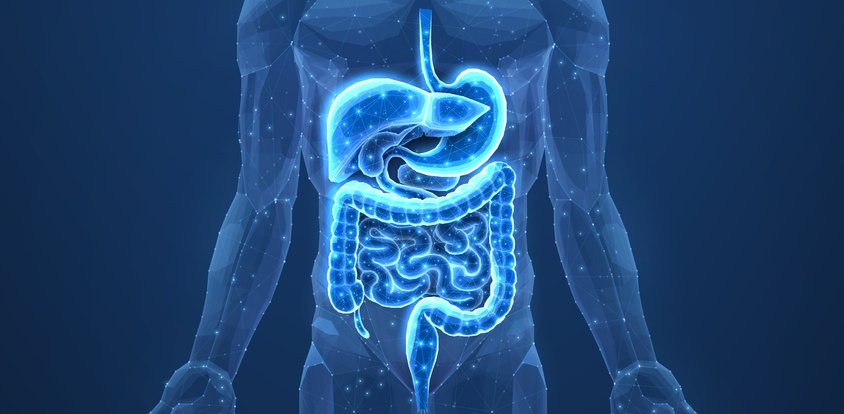
How Your Gut Influences Energy Levels
Gut health and energy are linked in several different ways. Knowing how these two factors relate can go a long way to avoiding excess fatigue and getting your energy back. Here’s how your gut influences how energetic you feel:
- Nutrient Absorption: The gut is responsible for breaking down food and helping the body absorb the nutrients it needs to support metabolism and energy production. When the digestive system is not working as it should, it may not be able to take in nutrients as effectively.
- Inflammation and Fatigue: A healthy gut helps regulate inflammation throughout the body. If your gut health isn’t well-balanced, you might start to experience low-grade inflammation that impacts your energy levels, mood, and overall well-being.
- Hormone Balance: The digestive system influences several hormones that affect appetite, metabolism, stress responses, and sleep patterns. When gut health is disrupted, those hormonal signals may become less efficient, which can contribute to fluctuations in energy, mood, and daily functioning.
- Gut-Brain Connection: You might have heard the gut called the “second brain.” That’s because the digestive system contains an extensive network of nerve cells that communicate directly with the brain. Changes in gut health can affect neurotransmitter production and signaling pathways involved in physical and mental well-being.
How to Tell Your Gut Health Is Impacting Your Energy
If you’ve been dealing with fatigue and digestive issues at the same time, it might help to look into your gut health. Don’t ignore these signs that your gut is affecting your energy levels:
- Persistent Fatigue: If you consistently wake up feeling tired or hit an energy wall during the day, your digestive health could be contributing to the problem.
- Brain Fog: Do you find it difficult to concentrate or stay mentally focused? Brain fog is frequently associated with digestive imbalances.
- Digestive Issues: Frequent bloating, gas, constipation, diarrhea, or abdominal discomfort are clear signs that your gut may need attention.
- Food Sensitivities: Some people develop a sensitivity to certain foods when their gut health declines. You may notice digestive upset, headaches, fatigue, or changes in mood after eating particular foods.
- Sleep Disturbances: Healthy energy starts with healthy sleep. Poor gut health may contribute to difficulty falling asleep, staying asleep, or feeling refreshed after a full night’s rest.
What Causes an Unhealthy Gut?
So, what’s causing your stomach issues and fatigue? The answer is different for everyone, and many factors can upset the balance of your gut microbiome. If you’re dealing with consistent gut problems, they could be linked to:
- A diet high in ultra-processed foods
- Excessive sugar consumption
- Chronic stress
- Inadequate sleep
- Lack of physical activity
- Dehydration
- Limited variety in your diet
How to Support Your Gut Health and Improve Your Energy
The good news is that small changes can make a big difference over time. While treatment will depend on the specific issues causing your digestive problems, these lifestyle changes can bring some relief:
- Eat a variety of fiber-rich fruits, vegetables, whole grains, beans, and legumes.
- Include fermented foods such as yogurt, sauerkraut, kimchi, and tempeh.
- Stay hydrated throughout the day.
- Prioritize seven to nine hours of quality sleep.
- Engage in regular physical activity.
- Practice stress-management techniques such as meditation, breathing exercises, or yoga.
- Limit highly processed foods and excess added sugars.
When to Consider Functional Medicine Testing
Sometimes healthy habits alone don’t fully resolve ongoing fatigue or digestive symptoms. If you’re still feeling fatigue after a bowel movement or your tiredness doesn’t improve with sleep, it may be time to see a functional medicine specialist. At St. Louis Functional Medicine, we can evaluate several factors that influence your gut microbiome and figure out just what’s causing your fatigue. While testing isn’t always necessary, it’s often worth discussing your symptoms with a healthcare professional. Get in touch with our team today and take another step toward a healthy gut.

Advanced Testing for Root Cause Analysis in Functional Medicine
Managing chronic health concerns can be frustrating, especially if you don’t…
Managing Cortisol for Improved Stress Resilience
Stress is a normal part of life, but when stress sticks around for weeks, months, or even years, it…